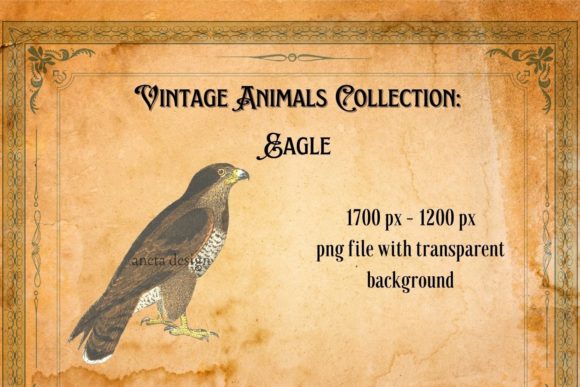
Vintage Eagle Illustration: A Timeless Design Asset
A single, powerful image can anchor an entire brand narrative. The Vintage Eagle Illustration is a prime example, offering a blend of classic artistry and immediate symbolic strength. This specific clipart, sourced from a historical Polish children's book, provides a unique aesthetic that resonates with authenticity and character. For graphic designers and creators, integrating such a meticulously prepared asset can elevate a project from ordinary to memorable, adding a layer of depth and visual storytelling that modern graphics often lack.
The Strategic Value of Vintage Aesthetics in Modern Design
In a digital landscape saturated with sleek, minimalist vectors, a well-chosen vintage illustration acts as a powerful differentiator. It communicates heritage, craftsmanship, and timelessness. This particular eagle illustration, with its detailed linework and classic form, is more than just a picture; it's a versatile creative asset that can inform a project's entire visual design. Its inherent texture and style can guide decisions for a complementary color palette, typography, and overall composition, making it a cornerstone for effective visual communication.
Practical Applications for Designers and Brands
The utility of a high-quality vintage illustration extends across numerous disciplines. Its adaptability makes it a valuable resource for a wide array of creative projects. Consider its impact in the following contexts:
- Branding and Logo Design: Use the eagle as a central logomark or a supporting emblem to establish a brand identity that feels established, noble, or adventurous. It works exceptionally well for outdoor brands, educational institutions, or artisanal products.
- Marketing and Editorial Design: Incorporate the illustration into brochures, magazine layouts, or book covers to add visual interest and anchor a theme. It can serve as a stunning header graphic or a refined background element.
- Digital and Social Media Graphics: Stand out in feeds with social media posts, YouTube thumbnails, or website hero images that feature this distinctive artwork. It helps create a cohesive and professional presentation across platforms.
- Packaging and Merchandise: From custom mugs and t-shirts to product labels and gift tags, the illustration translates beautifully to print. Its transparent background and high resolution ensure clean, professional results on any physical medium.
Integrating Vintage Elements with Modern Design Principles
Successfully using a vintage asset requires thoughtful integration with contemporary design workflow and principles. The goal is to create harmony, not a jarring contrast. First, consider visual hierarchy. The eagle illustration should command attention but not overwhelm supporting text or other elements. Scale it appropriately and use white space to let it breathe.
Next, align it with your project's goals and audience. A vintage eagle can evoke nostalgia, authority, or nature. Ensure this aligns with the brand identity or message you are building. Pair it with fonts that complement its style—serifs and classic sans-serifs often work well—and a color scheme that enhances its period feel without appearing dated. The key is to use the illustration as a foundational piece that informs a cohesive visual design system, rather than an isolated decorative touch.
Ultimately, the power of a resource like this Vintage Eagle Illustration lies in its ability to inspire and streamline the creative process. By starting with a visually rich and professionally prepared asset, designers can focus on composition, messaging, and strategy. Quality design inspiration often comes from such unique finds, enabling the creation of work that is not only aesthetically pleasing but also deeply communicative and effective. Thoughtful selection and application of such elements are what separate good design from great design.