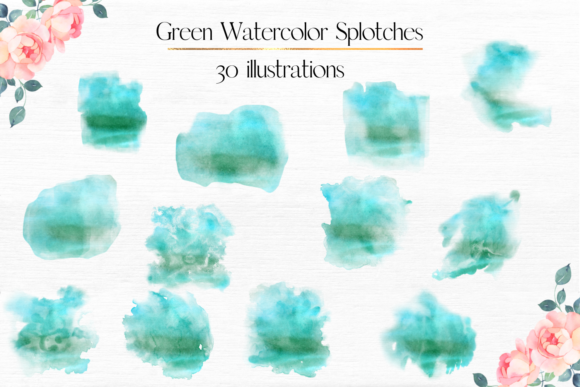
Green Watercolor Splotches: A Versatile Design Asset
Discover how a simple organic texture can instantly add depth, authenticity, and a modern aesthetic to your creative projects. In the realm of graphic design, the strategic use of texture is a powerful tool for visual communication, and few elements offer the fluid, artistic appeal of watercolor. A collection of Green Watercolor Splotches provides a versatile foundation for creating designs that feel both handcrafted and professionally polished. These assets are more than just decorative elements; they are functional tools for enhancing visual hierarchy, guiding the viewer's eye, and establishing a distinct mood.
The Role of Organic Texture in Modern Design
In an era dominated by flat design and digital precision, incorporating organic elements like watercolor splotches creates a compelling visual contrast. This technique, often seen in contemporary branding and editorial design, softens sharp layouts and introduces a layer of tactile authenticity. For graphic designers and marketers, these textures are invaluable for breaking visual monotony, creating focal points, and adding a human touch to digital interfaces. The transparent background of high-quality PNG files ensures seamless integration, allowing the underlying paper texture or background color to show through, much like a real watercolor painting.
Practical Applications for Creative Professionals
The utility of a well-curated set of watercolor graphics spans numerous disciplines. Their inherent versatility makes them a staple in any designer's toolkit for various creative projects.
- Brand Identity and Logo Design: Use splotches as background washes for business cards, letterheads, or within a logo mark to convey creativity, growth, or a natural ethos. They help build a memorable visual identity.
- Marketing and Social Media Graphics: Enhance digital marketing assets like Instagram stories, Facebook posts, or email headers. A green watercolor splotch can frame text, highlight a call-to-action, or serve as a vibrant, eye-catching background.
- Web and UI Design: Apply subtle textures to website hero sections, blog post featured images, or UI buttons to add depth and improve user engagement without compromising readability.
- Print and Editorial Layouts: Elevate magazines, invitations, journal cards, and planner printables. They function as beautiful dividers, accent elements, or full-page backgrounds that add visual interest.
- Packaging and Merchandise: Create standout labels, wrapping paper, or designs for merchandise like mugs and t-shirts. The artistic quality of watercolor adds perceived value to physical products.
Selecting and Implementing Design Elements Effectively
Not all design assets are created equal. When choosing graphics like watercolor splotches, consider factors that impact your design workflow and final output. High-resolution files (300 dpi) are non-negotiable for print design to ensure crisp, clear edges. Scalability is key; the element should retain its integrity when resized. Furthermore, consistency in style and color palette is crucial for maintaining a cohesive brand system. A collection that offers a variety of shapes and intensities within a specific color story, like a set of green splotches, provides the flexibility needed for complex compositions.
Integrating Texture with Typography and Color
The true artistry lies in balancing these textured elements with other components of design. Pairing a bold, sans-serif font with a soft watercolor background creates a dynamic visual hierarchy, ensuring your message remains the focal point. Consider the color psychology of green—it evokes nature, tranquility, and renewal. This makes it particularly effective for brands in wellness, sustainability, or education. Always ensure sufficient contrast between your text and the textured background to maintain accessibility and readability, a core principle of effective UX design.
Thoughtful curation of your design assets directly influences the quality and impact of your work. Investing in versatile, high-quality resources like a comprehensive set of watercolor graphics streamlines your creative process, allowing you to produce more compelling visual stories. By understanding the principles of visual communication and applying these elements with intention, you can transform ordinary projects into memorable experiences that resonate with your audience and strengthen your professional presentation.